Museums, Monuments, Theatres Cinemas etc..

Thessaloniki was the European Capital of Culture in 1997 and remains a city with intense cultural activity. As evidenced by the dozens of museums, theaters, the Multiplex of art, the Concert Hall, the outdoor sculpture and music heritage, Thessaloniki produces culture and moves with strength and versatility, having a restive workforce, its residents, creating and many times pioneering at the cultural life of Greece. Search and discover places and people and why not, become yourselves part of that creativity!

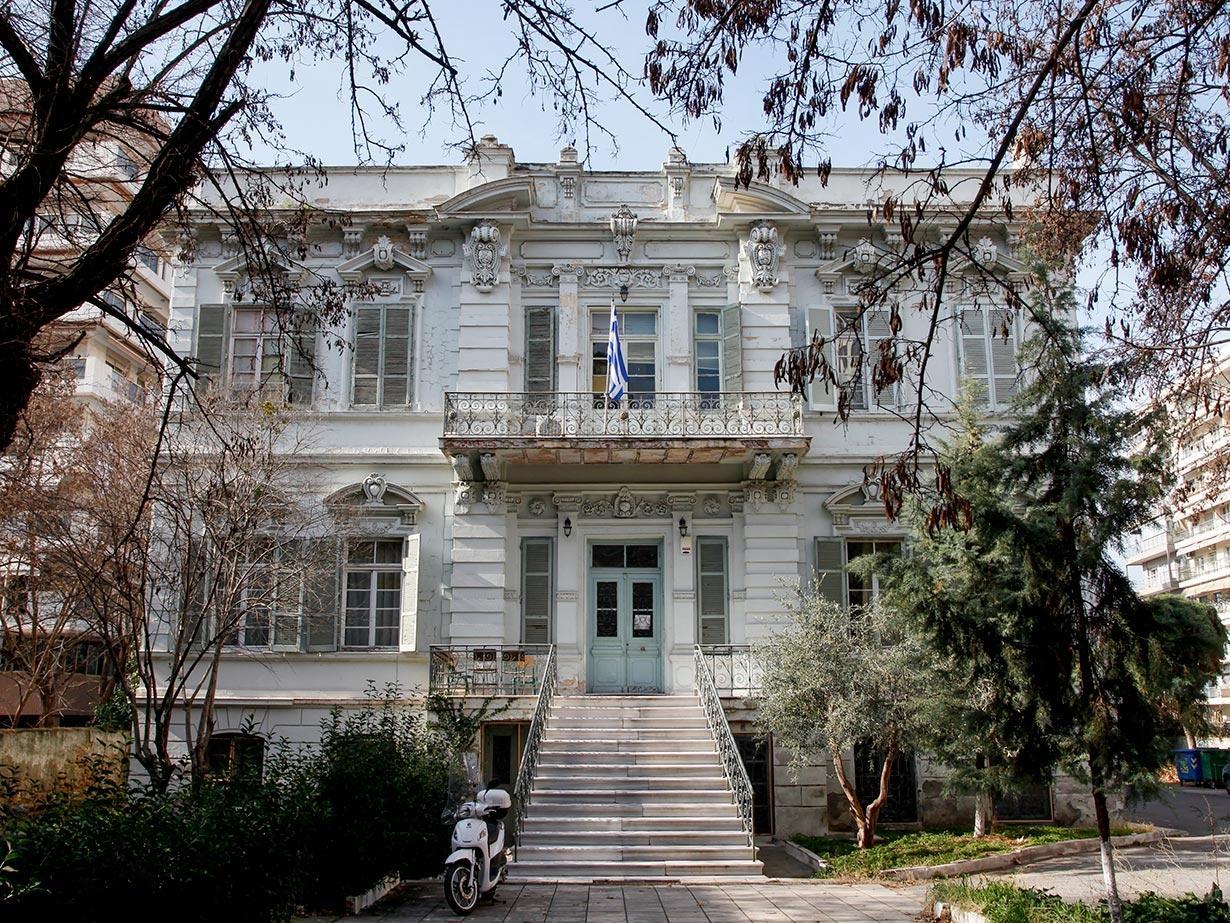
Villa Mordoch

The beautiful house was built in 1905 for the Turkish divisional commander, Seifoulah Pasha, based on the designs drawn by the famous architect Xenophon Paionidis with do

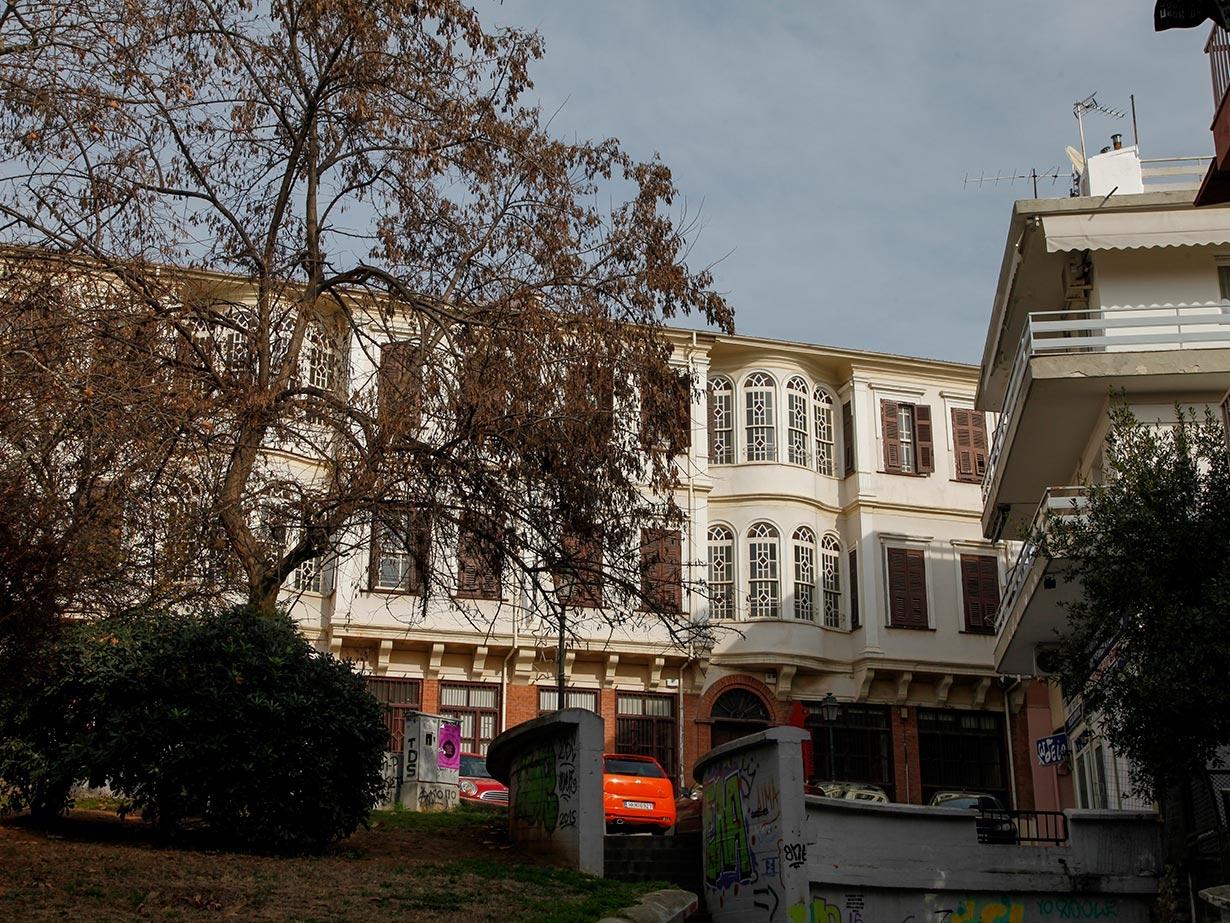
Villa Hafiz Bey – School for the Blind

Villa Hafiz Bey was built in 1879 and designed by architect Xenophon Paionidis. During the WWII it was requisitioned by the Germans and since 1961 houses the School for t

Library of Ano Poli (Upper/Old City’s Library)

It was built between 1897 and 1905 to form a senior Turkish military residence. Today it belongs to the municipality of Thessaloniki and houses the Municipal Children's L

Hospital Agios Dimitrios

Built between 1900 and 1903 its name was initially Hospital of Poor Foreign (GUREBA HASTAHANESI) or HAMIDIYE later BALEDIYE. This plot included the building of lyssiatrei

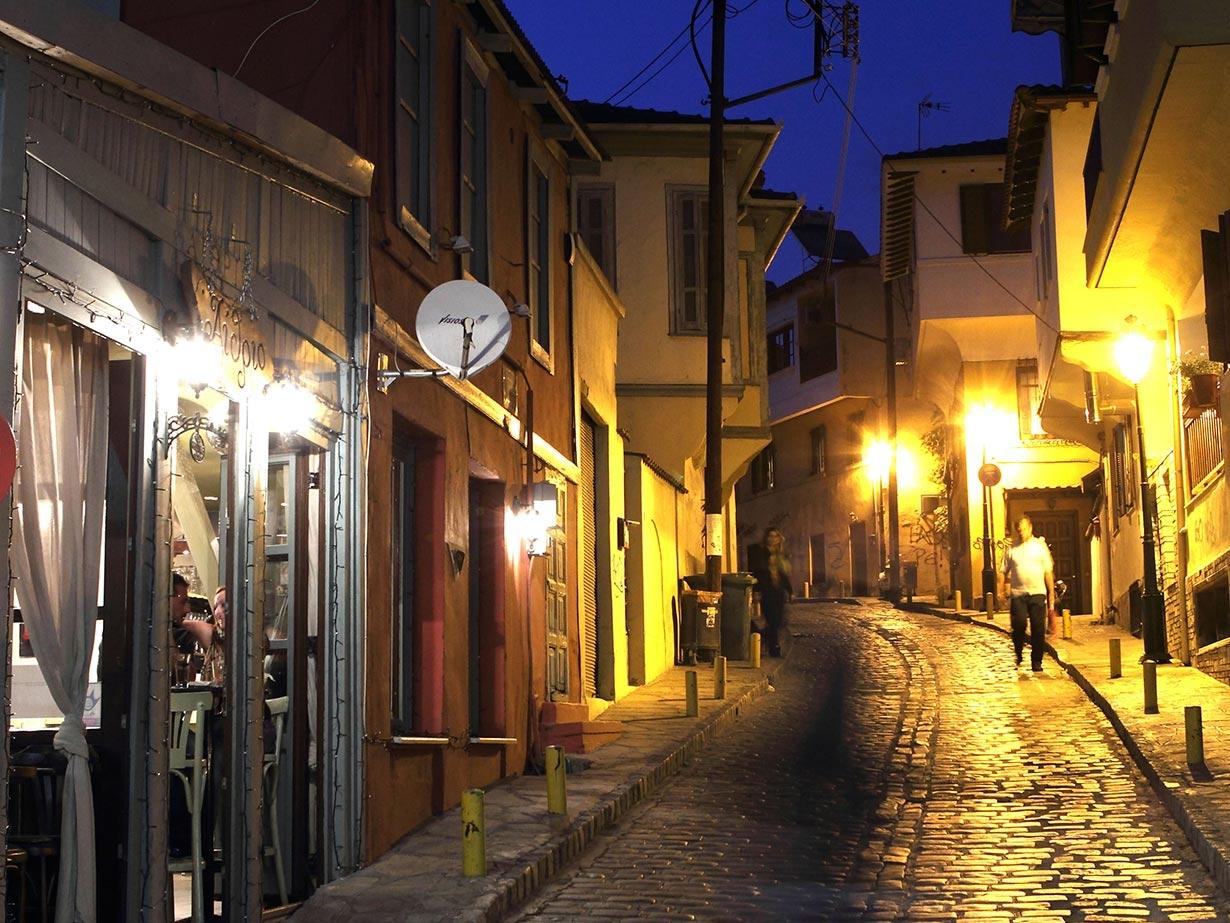
Tsinari

Area of Ano Poli (Upper/Old City), which took its name from the platanus (Cinar) planted there in the early 20th century. The neighborhood retains its old-world picturesq

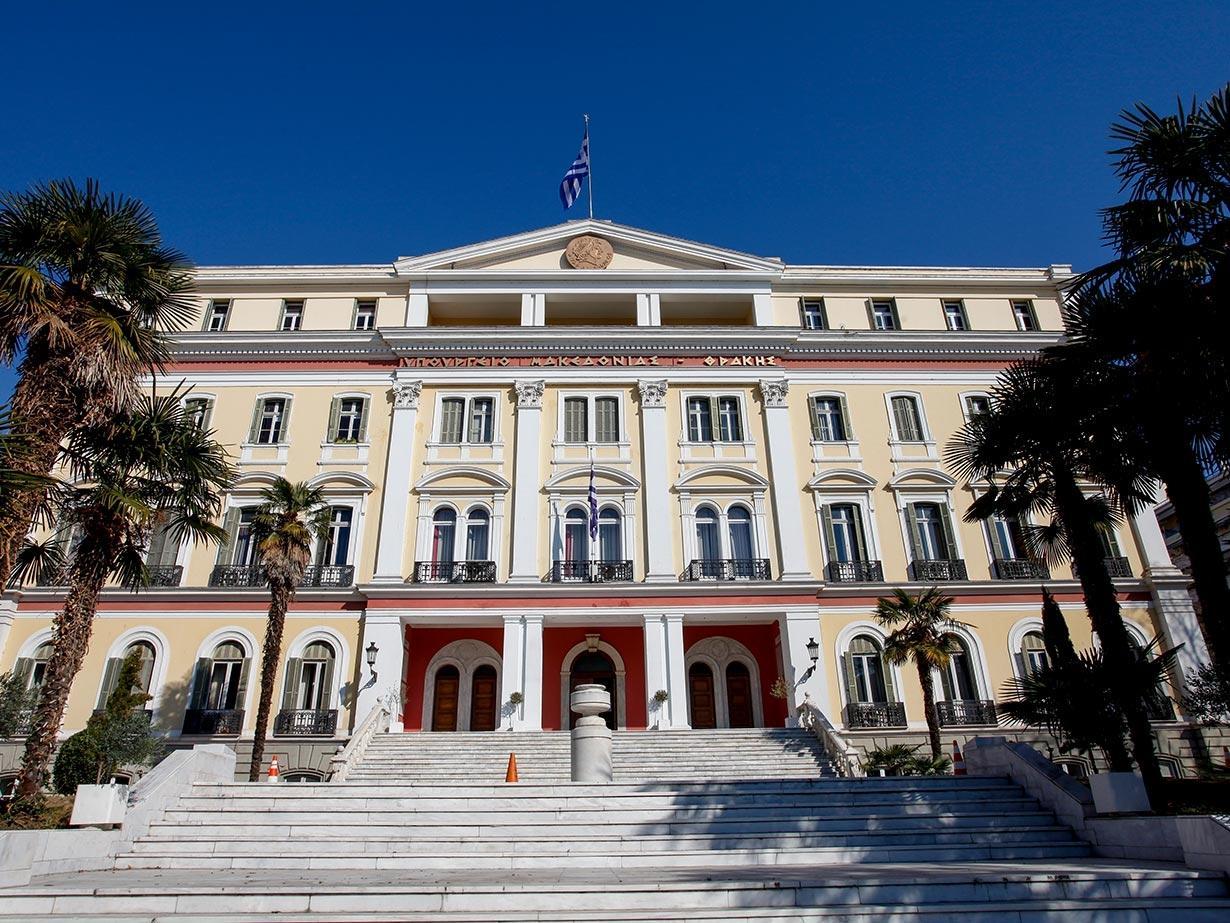
Government House

The imposing building designed and built in 1891, by the Italian’s architect Vitaliano Poselli Neoclassical and Renaissance style, to house the headquarters of the Turkis

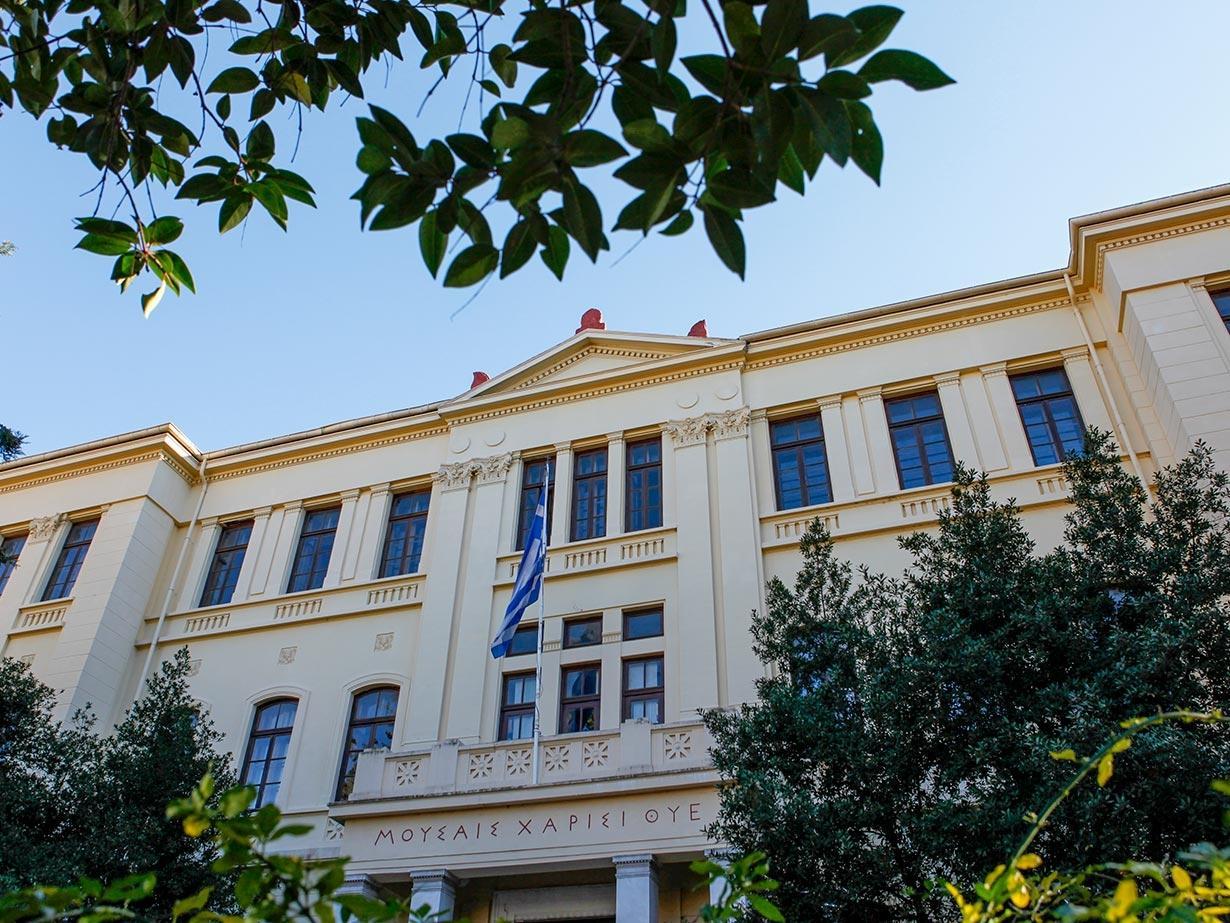
Old School of Philosophy, AUTH

Built in 1887 to house the Ottoman School of Public Administration. In 1927, the impressive edifice, built by the Italian architect Vitaliano Poselli, hosted the newly es

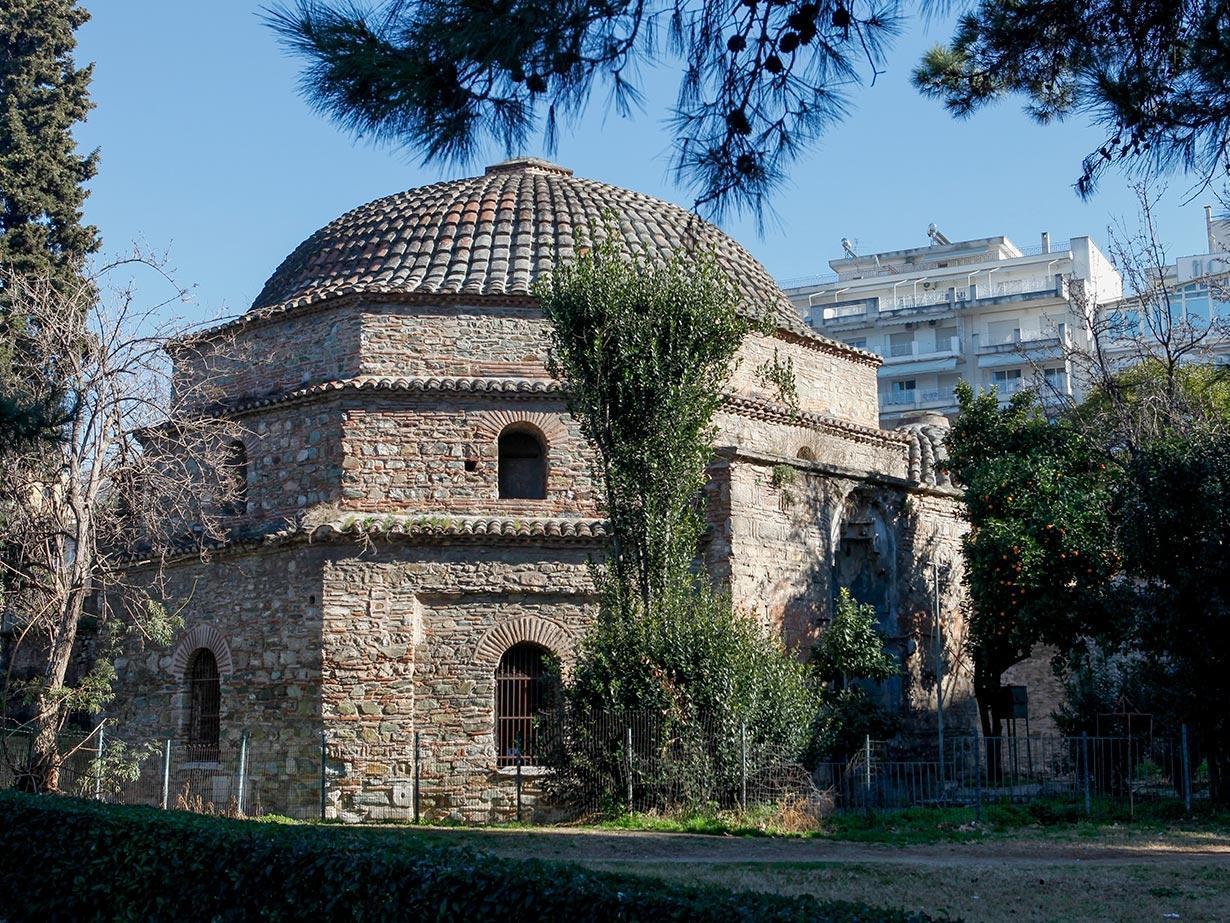
Bey Hammam (Paradise Baths)

The first Ottoman bath in Thessaloniki and the largest preserved in Greece, with separate compartments for men and women. It was built in 1444 by Sultan Murad II and oper

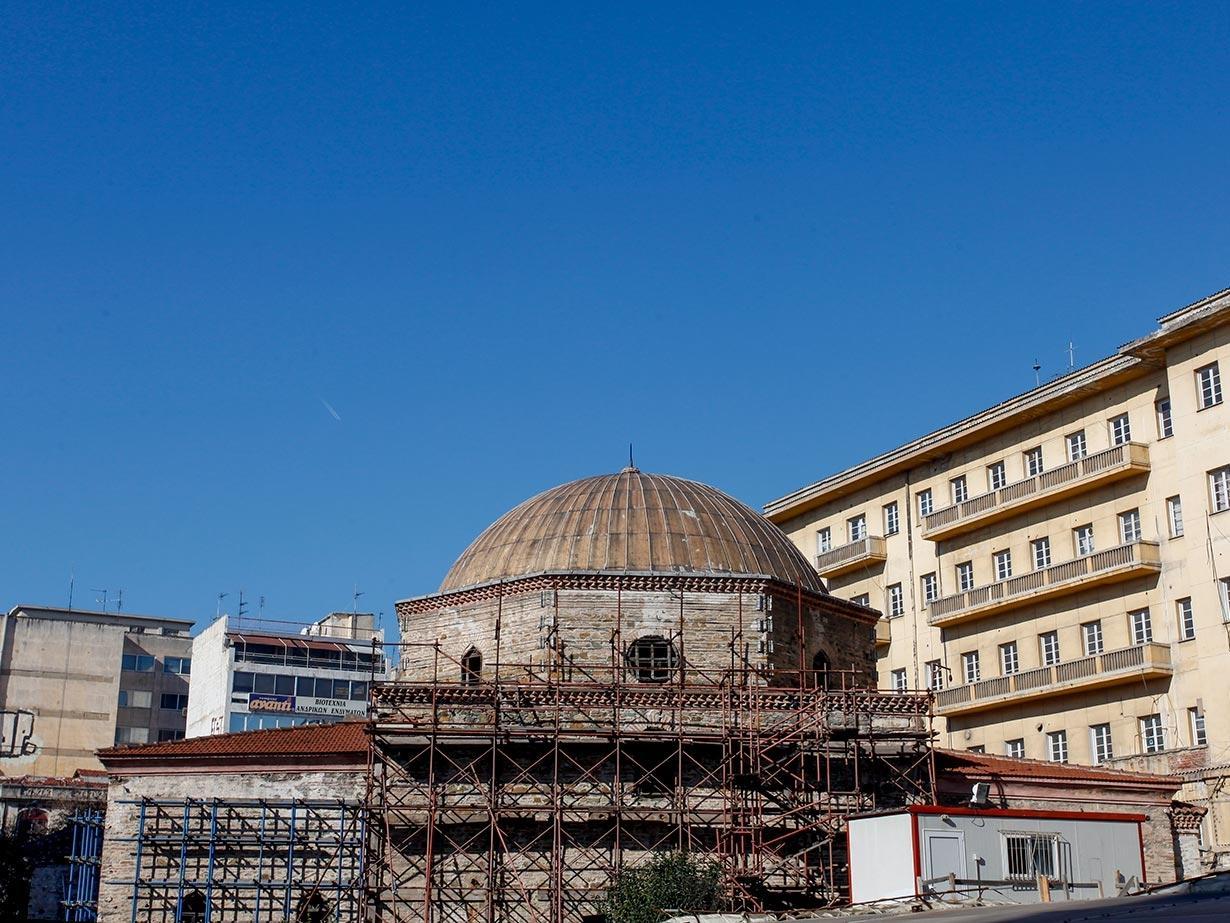
Hamza Bey Tzami (Alkazar)

Also known as 'Alkazar' from the homonymous movie theater that operated in its colonnaded courtyard for several decades, the Hamza Bey Tzami (Alkazar) was built in 1467 b

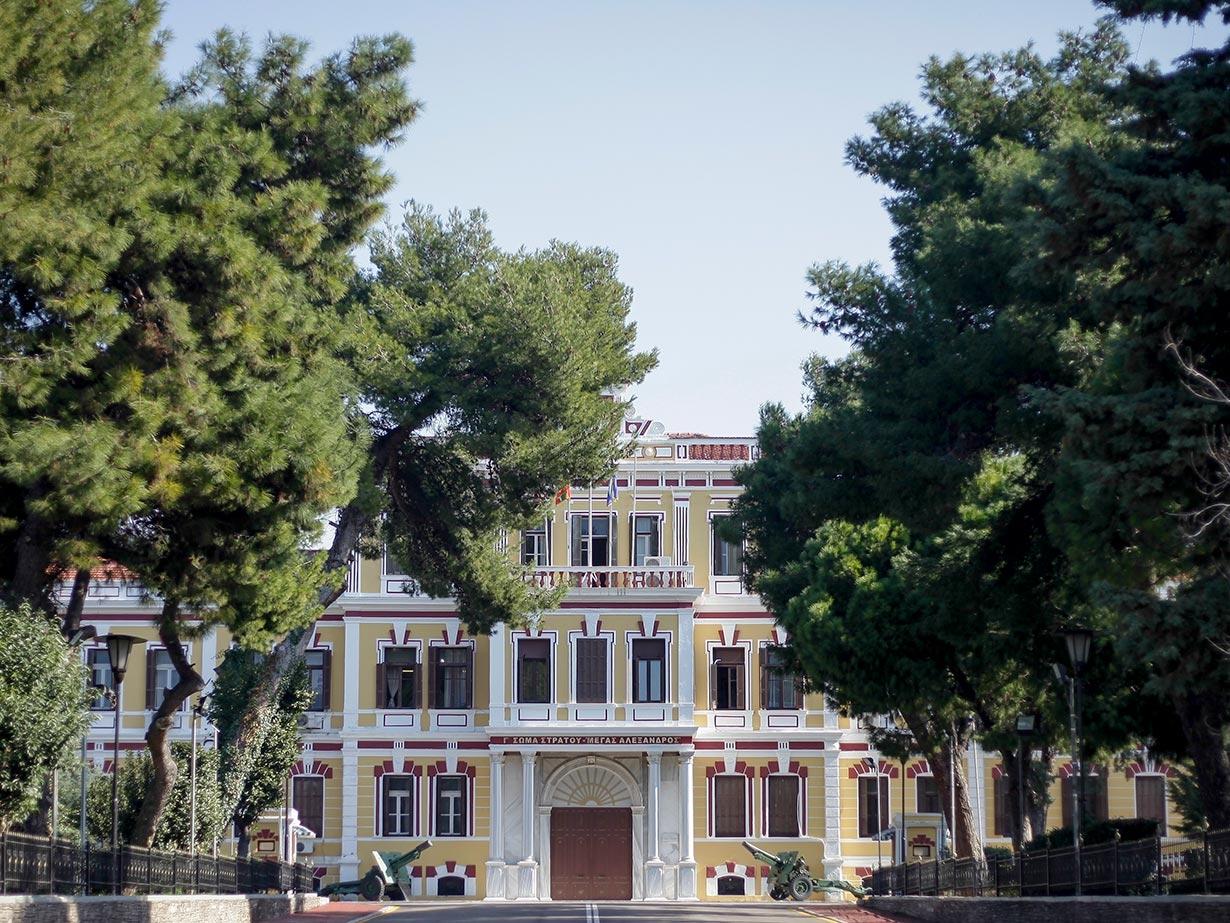
Headquarters of the III Army Corps

It was built in the period 1900-1902 according to designs by Italian architect Vitaliano Poselli and was used as barracks of the Ottoman army. In 1916 it became the seat